Plant
Yuzu
Citrus junos
Also known as: Citrus junos
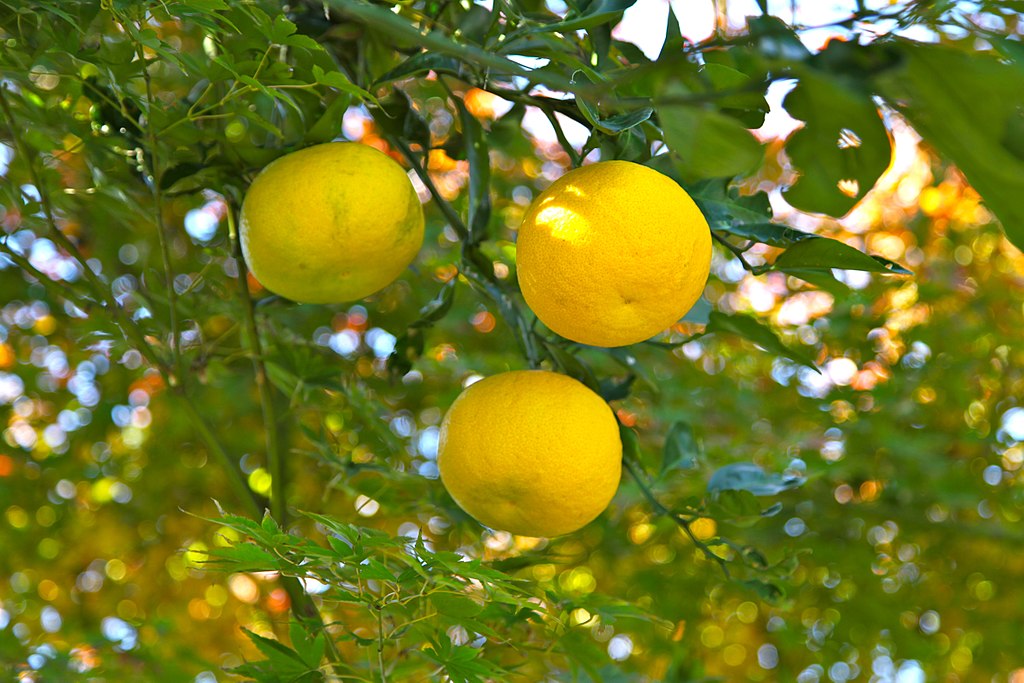
A small cold-hardy citrus tree native to East Asia — probably an ancient hybrid of [[mandarin]] (*Citrus reticulata*) and Ichang papeda (*Citrus cavaleriei*). The fruit's intensely aromatic peel — a complex floral-citrus profile resembling a combination of grapefruit, mandarin, and lime with a subtle pine note — is foundational to Japanese, Korean, and (increasingly) global high-end cuisine. The juice is rarely used; the zest and peel carry most of the species' flavor. The Japanese winter solstice tradition of *yuzu-yu* (yuzu bath) — soaking with whole yuzu fruits floating in a hot bath on the December solstice — is one of the most-known seasonal Japanese practices.
Scientific
Citrus junos is an ancient hybrid of mandarin and Ichang papeda — the second parentage gives it unusual cold-hardiness compared to most citrus. Yuzu can survive temperatures as low as -10°C (lethal to most other citrus), making it cultivable across Japan’s main islands and Korea.
The fruit’s aromatic profile is unusually complex. The principal flavor compounds include yuzunone, limonene, and several minor terpenes that together produce a flavor distinct from any other citrus — much more difficult to substitute than lemon or lime.
Cultural and culinary
Japanese cuisine uses yuzu predominantly as a peel-and-zest aromatic rather than as a juice citrus. Standard applications:
- Ponzu sauce — yuzu juice with soy sauce, mirin, and bonito flakes; the foundation of Japanese sashimi and shabu-shabu dipping sauces
- Yuzu kosho — a fermented paste of yuzu peel, chili, and salt; one of the most-distinctive Japanese condiments
- Winter savory dishes — yuzu zest finishing on simmered vegetables, soups, fish
- Konfekt and desserts — yuzu-flavored chocolates, mochi, ice cream
- Korean cuisine — yuja-cha (yuzu marmalade tea) is a daily winter beverage
The Japanese tōji (winter solstice) tradition includes yuzu-yu — a bath with whole yuzu fruits floating in the hot water. The practice is said to ward off winter colds and is observed at public baths (sentō) and homes across Japan on or around December 22.
In recent years yuzu has gained cult status in global high-end cuisine — featured in dishes by French, Spanish, American, and Australian chefs since the early 2000s. Modern yuzu cultivation has expanded outside Japan into Korea, China, and small commercial plantings in France, Spain, and the United States.
Global production
Top producers: Japan (the Kōchi prefecture dominates), Korea, China.
See also
Auto-generated from this entry’s typed relations: frontmatter, grouped by relation type so the editorial signal isn’t flattened.
Sources
- Wikipedia — Yuzu
A plant entry in the 0mn1.one directory.
What links here, and how
Inbound connections from across the wiki, grouped by lens and by relationship. These appear automatically — every entity page declares what it links to, and that data populates here on the targets.
Scientific
cousin of
- Kaffir lime Papeda-lineage kin — both yuzu and kaffir lime are zest-and-aromatics citrus rather than juicing citrus; both keep flavor in the peel and leaves, not the flesh.
- Kumquat auto-linked via shared tag: citrus
- Lemon Citrus kin in the broader citrus genus — yuzu's papeda-lineage origin gives it a more floral character; lemon's hybrid origin gives it the more familiar pure-acid flavor.
General
shares approach with
- Azalea auto-linked via shared tag: japan
- Dogwood auto-linked via shared tag: east-asia
- Enoki auto-linked via shared tag: east-asia
- Hosta auto-linked via shared tag: east-asia
- Hydrangea auto-linked via shared tag: japan
- Kelp auto-linked via shared tag: japan
- Wisteria auto-linked via shared tag: east-asia
10 inbound links · 3 outbound